





Protecting a Pulp Mill for 25 Years with PPG Coatings
Industrial environments can be extremely hard on protective coatings.
Pulp and paper manufacturing is a great example.
The combination of aggressive atmospheric conditions, industrial processes and large amounts of structural steel means that coating performance can have a major impact on long-term maintenance.
When Sappi Saiccor expanded its dissolving pulp mill in KwaZulu-Natal, South Africa, the project required a protective coating system designed around a 25-year life expectancy.
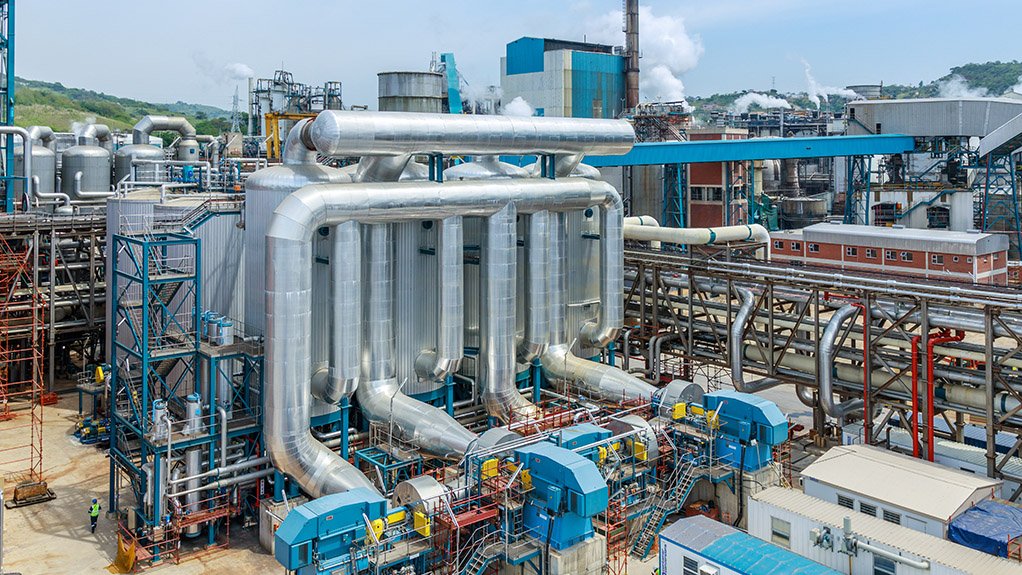
The Challenge
Sappi wanted a coating system capable of delivering long-term protection in an aggressive pulp and paper environment.
But durability wasn't the only requirement.
The project also had to meet demanding production schedules, with technical support required across several fabrication sites.
Aesthetics were also important, meaning the coating needed to provide reliable protection without sacrificing the appearance of the finished steelwork.
The Solution
PPG proposed a three-coat system using:
SIGMAFAST 278 as the primer and build coat.
SIGMADUR 1800 as the polymeric urethane topcoat.
One of the major advantages of SIGMAFAST 278 for the project was its application efficiency.
PPG highlights its suitability for airless application and its fast drying characteristics, allowing the coating process to progress quickly.
The Result
The system was specified around a 25-year life expectancy, with a 10-year guarantee referenced in the project material.
The combination of protective performance, fast application and aesthetic finish provided Sappi with a coating solution designed for the demanding environment of the expanding mill.
It is a great example of how the right coating system can contribute to a much bigger industrial project.
The goal isn't simply to paint the steel.
It's to protect the asset, support the construction programme and reduce the need for unnecessary maintenance in the years ahead.
